For Parents and Therapists
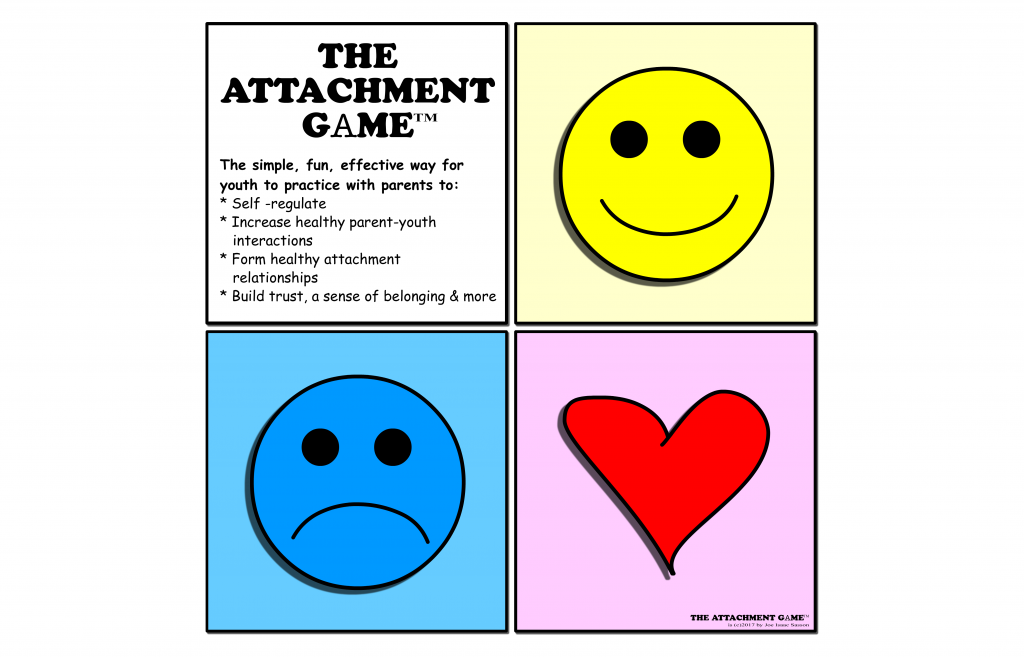
The simple, fun, effective way for youth to practice with their parents to:
*self regulate
*increase healthy parent-youth interactions
*form healthy attachment relationships
*build trust
*build a sense of belonging
*and much more
Read the article from SD Voyager Below:
Today we’d like to introduce you to Joe Sasson.
Joe, can you briefly walk us through your story – how you started and how you got to where you are today.
Hello, my name is Joe. I am a licensed clinical social worker living in San Diego, CA. I provide individual and family therapy at a non-profit community clinic. However, I didn’t start out wanting to help people, I’ve always had a creative streak and really wanted to work in film. I graduated from SDSU with a Bachelors of Science in TV, Film, and Media. It was exciting, but the only job I could find was working as a front desk receptionist at a mental health clinic. I wanted to branch out, do what I had gone to school for, so I moved to Manhattan, NY in search of a job in film or TV.
The only job I could find in Manhattan was at the front desk receptionist of a mental health clinic. I had moved across the continent only to find the same job again. The mental health workers at the clinic joked about patients getting therapy from the front desk receptionist, they thought I had the skills to be a therapist. Being a mental health worker intrigued me so I trekked to Taos, New Mexico for a masters in social work. I’ve been a therapist for almost 5 years now.
I use a lot of attachment-focused interventions with kids and their parents and I noticed it was difficult for them to practice the interventions. I thought, “there has to be a fun way to make them want to do them.” I thought, “wouldn’t it be great if there were a board game that would help them?” I searched all over the internet but couldn’t find anything close to what I was searching for. I decided to blend my creative streak with my therapy skills and created The Attachment Game, a board game incorporating attachment-focused interventions.
Overall, has it been relatively smooth? If not, what were some of the struggles along the way?
There was no template for what I wanted to achieve other than what I had in my mind. I knew the feeling of warmth I wanted the game to generate and the goals to achieve. I had to test the game a lot with patients and got a lot of feedback from them. One of the earlier game board prototypes had a plethora of colors on it.
One parent said, “Joe, you may want to stick to only 3 or 4 colors, my son has ADHD, and your game is making him over-stimulated.” I took all the recommendations from all the patients. They were instrumental in making the game what it is today. I also wanted to make sure the game was using legitimate attachment-focused interventions, so I contacted Daniel A. Hughes, who trained me and who has written many books on attachment. I Skyped with him several times, he gave me great feedback, and I made the appropriate changes.
Please tell us about The Attachment Game
I describe The Attachment Game as attachment-focused interventions wrapped up in a board game. It is a tool for therapists to use with their youth and parent patients and for parents to use at home with their children. I’m proud that I was able to publish this game and that it helps kids and parents bond. I’ve heard from therapists from all over including Canada and the U.K. telling me they use it all the time with their patients and it works. I use it myself at least once or twice a week with my own patients, and yes it does work!
If you had to go back in time and start over, would you have done anything differently?
I would try to be more patient. I thought every version of the game I made, every prototype would be the final one, but it wasn’t. It seemed there was always something to fix, something to add and I just thought I was never going to finally publish for everyone else to benefit from it. Now I would tell myself, “calm down, it’ll get there, just keep plugging along!”